
Wolf Supermoon to Light Up the Sky This Weekend: What It Is and How You Can See It
Written byTimes Magazine
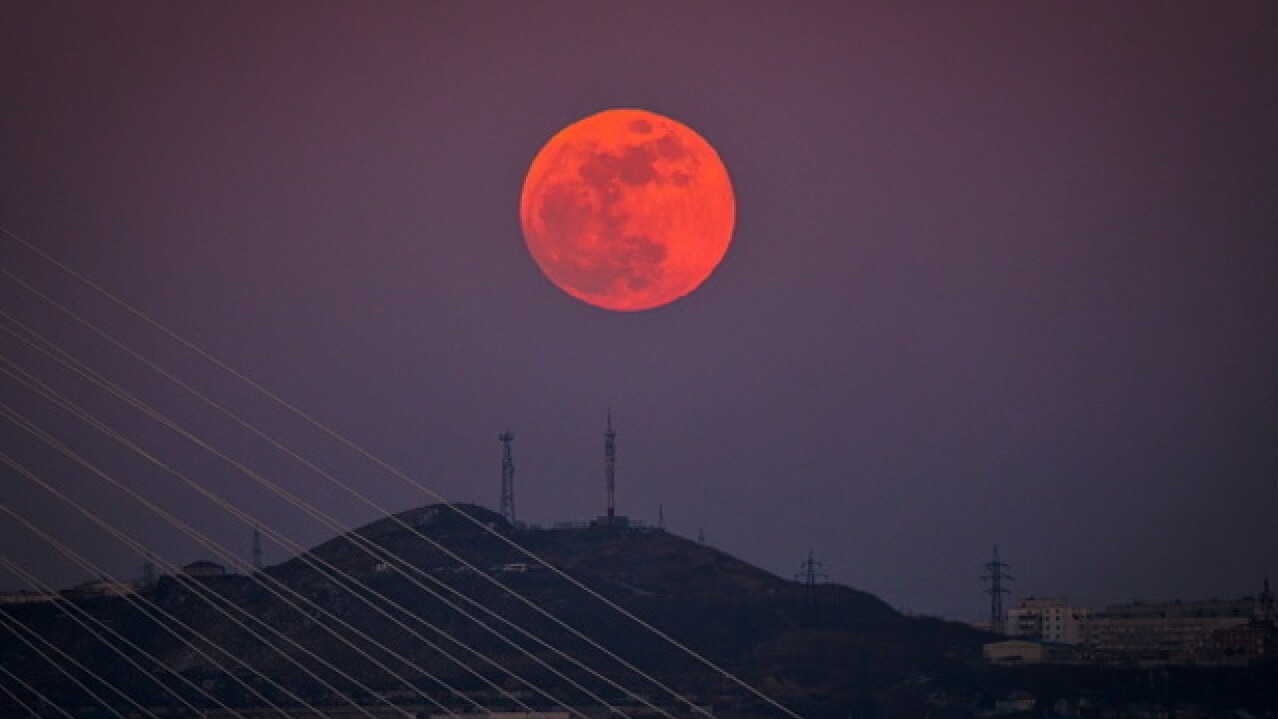
Skywatchers are in for a spectacular treat this weekend as the Wolf Supermoon rises, marking the first full moon of the year and one of the most visually impressive lunar events on the calendar. Combining the traditions of the “Wolf Moon” with the astronomical phenomenon of a supermoon, this event promises a bright, eye catching sight for observers across much of the world.
Here’s everything you need to know about the Wolf Supermoon, why it’s special, and how you can enjoy it at its best.
The term Wolf Moon refers to the name traditionally given to Januarys full moon. The name originates from Native American, Colonial American, and European folklore. According to historical accounts, wolves were often heard howling outside villages during the cold and harsh winter months, when food was scarce. Over time, this behavior became associated with the January full moon, giving rise to the name Wolf Moon.
While wolves do not howl more frequently because of the moon itself, the name has endured as part of a long standing tradition of giving full moons seasonal identities. Other full moons throughout the year carry similarly evocative names, often linked to agriculture, weather, or wildlife.
A supermoon, on the other hand, is an astronomical term rather than a folkloric one. It occurs when a full moon coincides with the moon’s closest approach to Earth in its elliptical orbit, a point known as perigee. When this happens, the moon appears noticeably larger and brighter in the night sky compared to an average full moon.
During a supermoon, the lunar disc can look up to around 14 percent larger and about 30 percent brighter than when it appears at its farthest point from Earth, known as apogee. While these differences may seem modest, they are often striking to the naked eye, especially when the moon is low on the horizon.
The Wolf Supermoon combines both of these elements: a January full moon that also happens to fall near perigee. This makes it not only culturally significant but also visually impressive, particularly for casual observers who may not usually pay close attention to lunar phases.
One of the most fascinating aspects of viewing a supermoon is the so-called “moon illusion.” When the moon rises or sets near the horizon, it often appears much larger than when it is higher in the sky. This effect is psychological rather than physical, but when combined with the already enlarged appearance of a supermoon, it can make the Wolf Supermoon seem especially dramatic.
The best time to view the Wolf Supermoon is shortly after moonrise, when it is low in the sky. At this point, the contrast between the moon and familiar objects such as buildings, trees, or hills can enhance its apparent size. Checking the local moonrise time for your area will help you plan the ideal viewing moment.
You do not need any special equipment to enjoy the Wolf Supermoon. It will be easily visible to the naked eye, provided the sky is clear. However, binoculars or a small telescope can add an extra layer of enjoyment, allowing you to see lunar details such as craters and surface textures more clearly.
For photographers, the Wolf Supermoon offers a great opportunity to capture striking images. Using a tripod is highly recommended to avoid camera shake, especially if you are shooting with a zoom lens. Including foreground elements like city skylines, landmarks, or natural scenery can create compelling compositions that highlight the moon’s scale.
Light pollution can affect visibility, but even in urban areas the supermoon’s brightness usually cuts through city lights. That said, those who can travel to darker locations away from streetlights may enjoy a clearer and more detailed view.
Weather conditions play a crucial role in whether the Wolf Supermoon can be seen. Cloud cover may obscure the view in some regions, so it’s worth keeping an eye on local forecasts. Even brief breaks in the clouds can offer stunning glimpses, so patience can pay off.
Beyond its visual appeal, the Wolf Supermoon often sparks interest in broader lunar and astronomical topics. While supermoons are sometimes linked to exaggerated claims about natural disasters or dramatic effects on human behavior, scientists emphasize that their influence is minimal. The gravitational effects of a supermoon are only slightly stronger than those of a typical full moon and do not pose any unusual risks.
Instead, astronomers encourage people to see events like the Wolf Supermoon as an invitation to reconnect with the night sky. In a world dominated by screens and artificial light, taking a moment to look up can be both calming and inspiring.
The Wolf Supermoon also serves as a reminder of humanity’s long relationship with the moon. For thousands of years, people have tracked lunar cycles to mark time, guide agriculture, and shape cultural traditions. Even today, these celestial events continue to capture our imagination.
As the Wolf Supermoon rises this weekend, it offers a perfect opportunity for families, friends, and solo observers alike to step outside and share a moment under the night sky. Whether you’re a seasoned stargazer or simply curious, this luminous lunar display is well worth a look.
Trending News