
NI Weather Alert: Snow and Ice Warning Causes Widespread Disruption Across Northern Ireland
Written byTimes Magazine
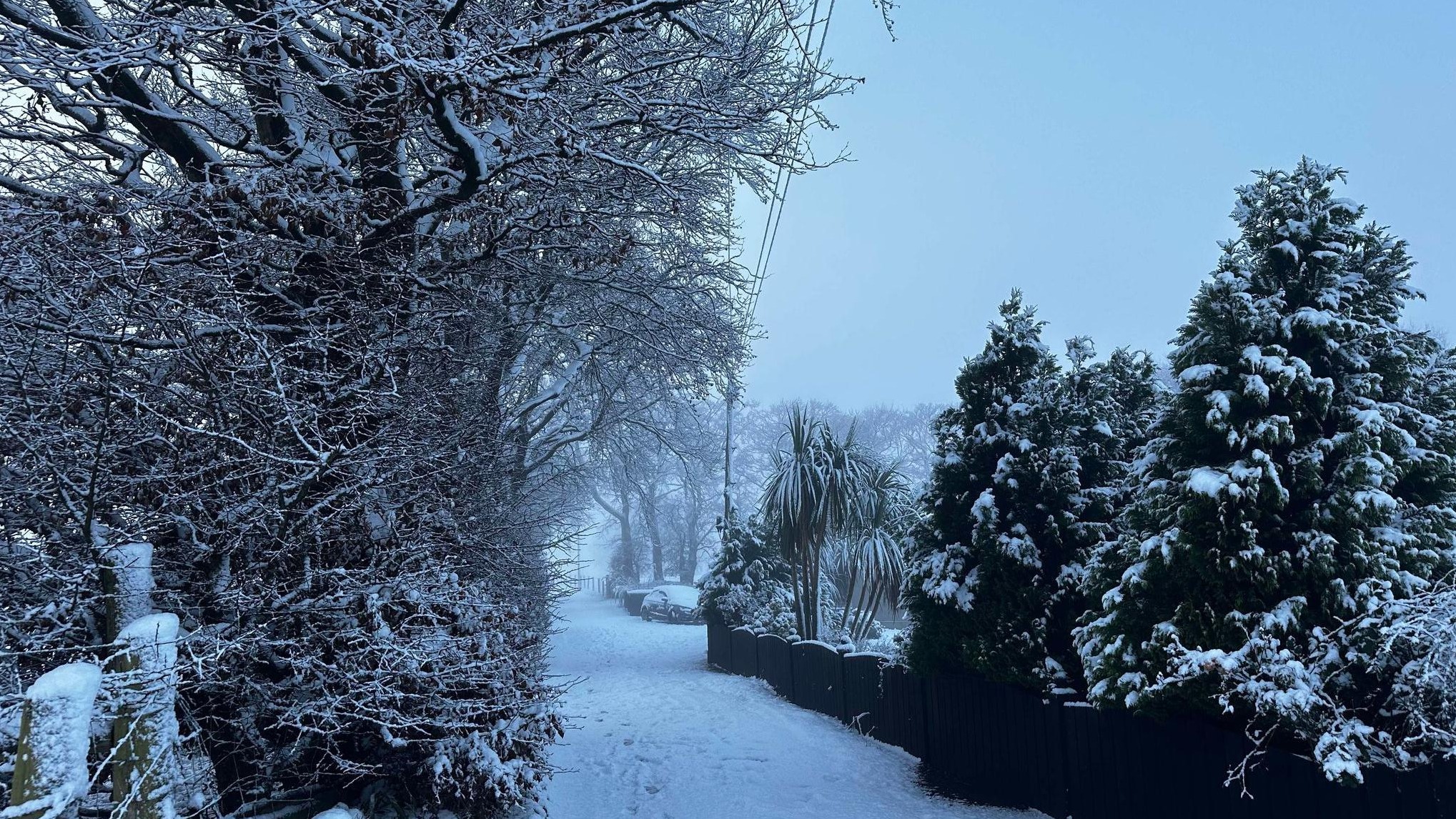
Northern Ireland is grappling with severe winter weather as snow and ice warnings issued across the country have led to widespread disruption for commuters, transport services, and local communities. The Met Office issued a yellow weather warning, advising residents to exercise caution while travelling and prepare for hazardous road conditions that could persist through the day and into the evening.
Travel Chaos Across Roads and Public Transport
Motorists in Northern Ireland have faced treacherous driving conditions as snow and ice accumulate on major roads and rural routes. Commuters reported delays on highways and local streets, with several minor accidents attributed to slippery surfaces. Public transport services, including buses and trains, experienced interruptions and reduced schedules, compounding travel challenges for residents.
The Department for Infrastructure urged drivers to allow extra time for journeys, reduce speeds, and equip vehicles with winter tyres or chains if necessary. “Conditions are challenging across much of Northern Ireland,” the department said. “We advise everyone to plan ahead, travel only if essential, and follow safety guidelines.”
Impact on Schools and Businesses
Several schools across Northern Ireland announced delays or closures due to hazardous travel conditions, particularly in rural areas prone to heavy snowfall. Parents were advised to check local school communications for updates, and many opted to keep children at home for safety.
Businesses and offices also faced disruption as employees struggled to reach workplaces. Some companies allowed staff to work remotely, while others adjusted operating hours to account for delays. Essential services, including healthcare and emergency response teams, reported increased demand and mobilized resources to maintain coverage.
Emergency Services Respond to Incidents
Emergency services across Northern Ireland have been on high alert following multiple weather related incidents. Fire and rescue teams attended several road traffic collisions caused by icy roads, while ambulance services prepared for potential spikes in accident related calls. Police urged motorists to drive carefully and avoid unnecessary journeys during the warning period.
Local authorities deployed gritters and snow ploughs to clear main roads and high-risk areas, focusing on routes serving hospitals, schools, and emergency services. Despite efforts, secondary and rural roads remain particularly hazardous, prompting authorities to advise caution.
Meteorological Overview
The Met Office attributed the severe weather to a cold front moving across Northern Ireland from the north, bringing freezing temperatures, snow showers, and icy conditions. Forecasters predicted that the snow could be heavy in some regions, with accumulations likely in higher altitude areas. Ice formation overnight is expected to persist into the morning, further complicating travel.
Meteorologists emphasized the importance of monitoring weather updates and staying informed about local warnings. “People need to prepare for difficult conditions,” said a Met Office spokesperson. “Snow and ice can make roads treacherous and increase the risk of accidents. Staying informed is critical.”
Public Advice and Safety Measures
Authorities have issued several recommendations to keep residents safe during the winter weather. These include:
- Avoiding travel unless necessary
- Maintaining a safe following distance on slippery roads
- Wearing appropriate clothing for cold conditions
- Checking on vulnerable neighbours, especially the elderly
- Keeping phones charged and emergency supplies ready
Public transport operators also advised passengers to check schedules and allow extra time, while drivers were reminded to keep snow brushes and ice scrapers handy.
Economic and Community Impacts
The snow and ice warning has had broader implications for Northern Ireland’s economy and communities. Delays in freight and logistics services have affected supply chains, while local retailers experienced lower footfall as shoppers stayed home. On the other hand, winter weather enthusiasts and photographers celebrated the snow-covered landscapes, providing a silver lining to the disruption.
Community groups and volunteers mobilized to assist vulnerable residents, offering help with groceries, medicines, and safe passage. Social media posts highlighted acts of neighbourly support, emphasizing solidarity in challenging weather conditions.
Looking Ahead
Forecasters indicated that the extreme weather is likely to ease over the next 24 to 48 hours, with temperatures gradually rising and snow giving way to rain in some areas. However, residual ice and patchy snow are expected, meaning caution remains necessary.
Authorities continue to urge vigilance and preparedness, highlighting that even moderate snowfall can create significant hazards if not addressed promptly. Road maintenance teams will remain active, and updates will continue to be issued as conditions evolve.
Northern Ireland is currently facing widespread disruption due to snow and ice, affecting transport, schools, and daily life. Residents are advised to stay informed, follow safety guidance, and limit travel where possible. While the winter weather has brought challenges, coordinated efforts from emergency services, local authorities, and communities aim to minimize risk and maintain safety across the region.
Trending News